RTX5 Product Overview From Orrnn | Orrnn
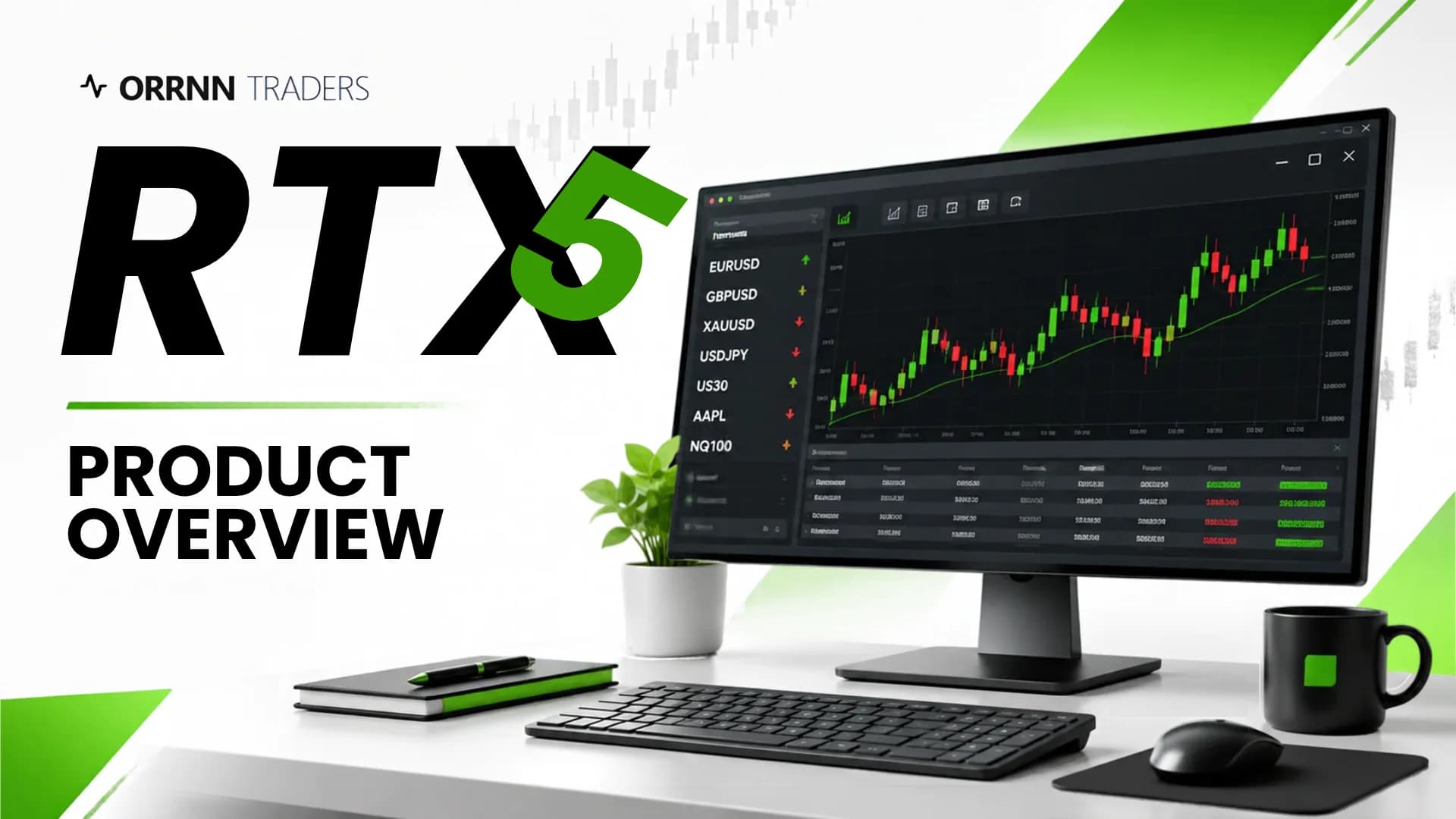
A procurement-focused RTX5 overview for teams comparing licence scope, deployment costs, buyer-supplied dependencies, and quotation terms without inferring technical performance.
rtx5 product overview from orrnn is a procurement-focused guide, not a complete deployment specification. The available evidence identifies current Entry and Standard licence references, while separating implementation, hosting, data, taxes, and provider charges where they are not included. Treat each quotation as a scope document requiring confirmation before approval.
RTX5 product overview from orrnn: definition and decision context
This overview is best read as a decision framework for examining RTX5 procurement materials rather than as a full technical specification. The available evidence explicitly cautions that procurement requires more than copying a figure from a product page. the procurement guidance That distinction matters for infrastructure teams because a licence reference and a deployable operating model are not necessarily the same thing.
The cited material was published on September 21, 2026, and updated on October 2, 2026. the guide dates Those dates describe the source used here; they do not establish that every commercial term remains current after retrieval. A reader preparing an internal review should therefore preserve the date of the quotation, identify the supplier responsible for each line, and ask for written confirmation where the scope is unclear.
For an Orrnn audience, the practical question is not simply whether a platform appears relevant to a broker, fund, or technology team. It is whether the proposed order can be translated into accountable components: platform access, implementation, hosting, data, external services, acceptance, renewal, and exit. The evidence supports that procurement lens, but it does not provide a complete architecture diagram, service-level schedule, latency measurement, or deployment runbook.
That limit should shape the rest of the review. Use the internal Blog as a navigation point for related infrastructure material, then return to the commercial document for the actual approval record. This page does not infer technical performance from price or from a plan name.
Who should consider rtx5 product overview from orrnn?
Teams considering RTX5 should begin with the commercial scope that matches their operating requirements, not with a headline price alone. The available pricing reference lists Entry at US$3,500 per month with CRM included, and Standard at US$5,000 per month with CRM as a standalone add-on and bridge/FIX in licence scope. the cited pricing matrix
Those figures are useful reference points for a procurement conversation, but they are not a complete deployment budget. The cited guide says implementation, hosting, data, taxes, and provider charges remain separate where they are not included. the deployment-cost caveat A professional team should map each required service to the quotation rather than assume that a licence line covers the surrounding operating environment.
The audience fit is consequently strongest where several stakeholders need to review the same scope. The research describes broker founders, finance leaders, legal reviewers, and technology sponsors as users of a quotation-comparison process. the stakeholder comparison context That is a procurement use case, not evidence of a particular trading outcome, latency result, uptime level, or integration result.
Before opening an internal request, compare the proposed scope with the relevant RTX5 context on this site and record which items still require supplier confirmation. The evidence supplied for this article does not establish whether a particular Entry or Standard configuration is suitable for a specific organisation.
Benefits and practical limitations
The main practical benefit of a structured overview is comparability. The supplied guide is designed to help broker founders, finance leaders, legal reviewers, and technology sponsors compare the same scope across quotations. the stated comparison purpose That approach can make a commercial review easier to audit because each party is working from named lines rather than an informal summary.
The limitation is equally important: comparability depends on scope being defined consistently. A lower visible licence figure may not represent a lower total deployment cost if separate services, taxes, hosting, data, or implementation are required. The cited material supports checking those categories, but it does not provide a universal cost model for every organisation. the scope and cost guidance
Potential benefits
- A quotation-led review gives stakeholders a common commercial frame.
- The Entry and Standard references provide concrete starting points for asking scope questions. the plan references
- Recording fee attributes can make responsibility and change handling clearer. the fee-recording guidance
Practical limitations
- The available evidence does not establish technical performance, uptime, or latency.
- Licence references do not by themselves describe a complete deployment budget.
- Terms that are absent from a quote remain unresolved until the responsible supplier confirms them.
For infrastructure teams, this balance is preferable to treating a product overview as a substitute for technical due diligence. A product page can support discovery; a controlled quotation and acceptance record should support approval. Keep those documents separate, and do not turn a commercial reference into an operational guarantee.
Orrnn and the reader decision
The reader decision should be based on whether the proposal can be measured, assigned, and accepted. The cited procurement guidance recommends recording currency, tax treatment, billing start, minimum term, capacity, usage unit, change process, and responsible supplier for every fee. the fee review checklist These fields create a practical bridge between procurement review and later operational ownership.
Start by separating what the platform order says from what the buyer must supply. The supplied evidence says a quote should identify buyer-supplied items when they sit outside the platform order, including company documentation, legal advice, app-store accounts, market-data rights, payment providers, or liquidity relationships. the buyer-supplied items This does not mean every project requires each item; it means omissions should be visible.
- Capture the exact plan name, quoted currency, billing start, and minimum term.
- Mark included components separately from add-ons and external provider charges.
- Assign each deliverable to a responsible supplier and define how changes are handled.
- List buyer-supplied dependencies and request written clarification for unresolved lines.
- Link promised deliverables to an acceptance test before approval.
This process is useful alongside a broader Algorithmic trading infrastructure review, but this article does not claim that a commercial configuration will meet a particular execution, hosting, or automation requirement. The next step is a documented question set, not an assumption based on a plan label.
What risks should readers verify before choosing rtx5 product overview from orrnn?
Readers should verify scope, ownership, dependencies, and acceptance criteria before choosing any platform configuration. A product overview can organise questions, but it cannot replace current documentation, a quote, or a technical review. Keep the distinction clear: this section offers a qualitative verification framework and does not add unsupported claims about performance or service behaviour.
First, ask what is actually included and what remains outside the order. Then ask who supplies each external dependency, how a change is requested, and when billing begins. These questions reduce ambiguity without assuming an answer. They are especially relevant when several internal functions review the same proposal but use different definitions of implementation, hosting, data, or support.
Second, require an acceptance path that a technical and commercial reviewer can understand. A useful acceptance record should connect each promised deliverable to a test or sign-off condition. Do not treat a marketing description, an informal email, or an unqualified plan label as proof that a requirement has been met.
Finally, compare unresolved items with the organisation's actual operating model. The Broker solutions area may provide relevant internal context, while Hedge funds and Services offer additional navigation for readers assessing infrastructure questions. Those links do not resolve product-specific unknowns; the supplier's current written scope must do that.
Conclusion
RTX5 should be evaluated as a scoped platform procurement decision, not as a single price or a shorthand for an entire trading operation. The available evidence supports checking plan references, separating included and external costs, and recording commercial terms before approval.
For a disciplined review, preserve the source date, ask the supplier to confirm current applicability, and document buyer-supplied dependencies. The evidence available here is narrow: it does not establish latency, uptime, technical architecture, or suitability for a particular deployment. A careful reader should therefore use this overview to structure questions, then rely on current product documentation and a reviewed quotation for the final decision.
Readers can continue through Downloads for relevant site material or use Contact when a direct operational question remains. The goal is a traceable infrastructure decision with clear ownership and acceptance, rather than an unsupported conclusion from a headline reference.
Sources
- RTX5 Pricing and Procurement | FxTrusts — fxtrusts.com, 2026-09-21T02:24:21.000Z